

Ngā rauemi matihiko
Digital resources
Mā te mātauranga, kā mārama
Through knowledge, we find understanding
Peer support framework for gambling harm
The purpose of this mahi is to build foundations for a gambling harm peer workforce, to embed Lived Experience and cultural leadership, and to reduce stigma and build national understanding of the impacts of gambling harm.
'Being sectioned' and other information about compulsory assessment and treatment in NZ
Information to dispel myths and create more thoughtful conversations around mental health and ‘being sectioned’.

Holiday support
Christmas can be a challenging time of year, for all sorts of reasons. With the help of our community, we’ve put together a list of useful articles and support, gift guides and activity suggestions to see you through the holidays.
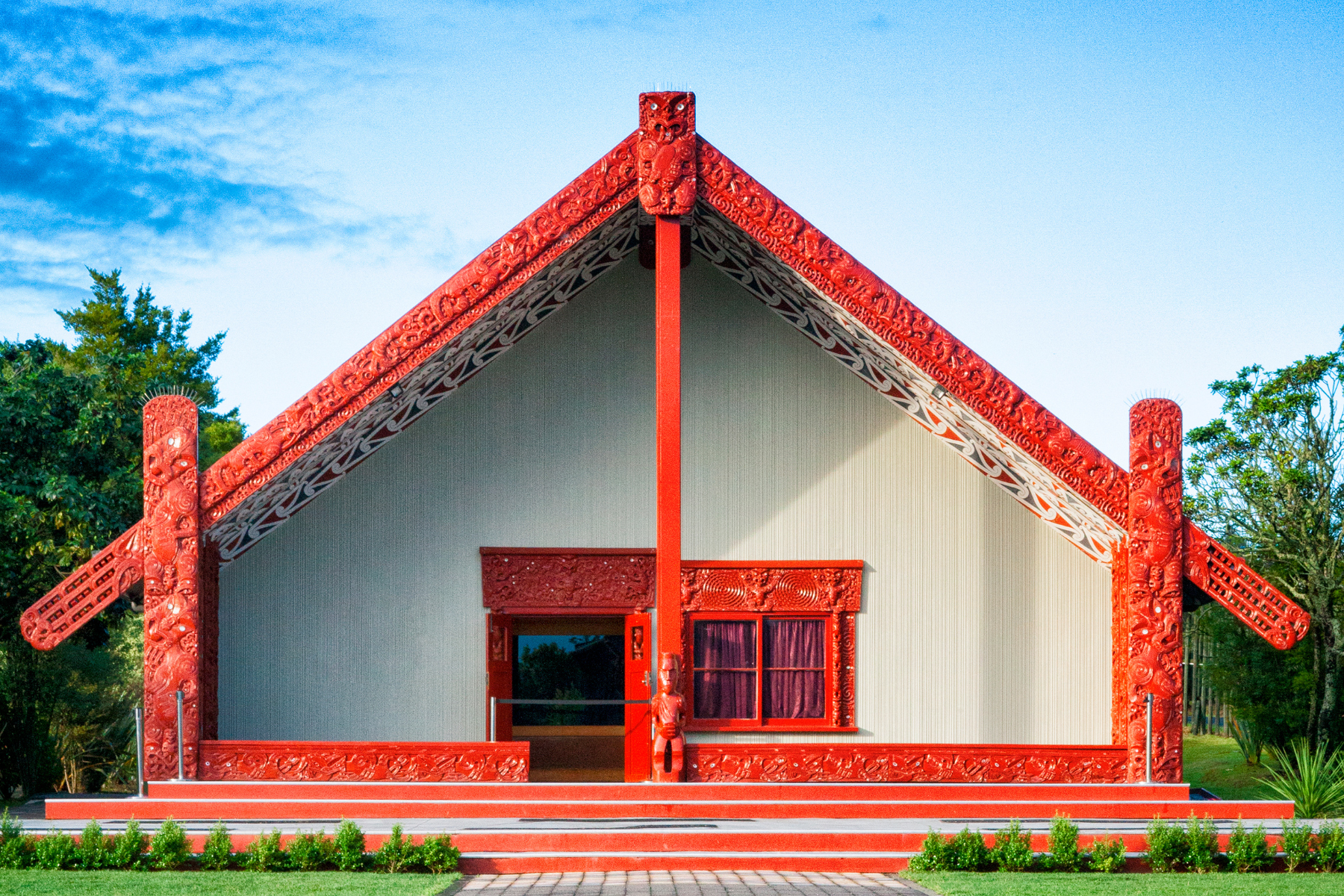
Te Whare Tapa Whā worksheets
Te Whare Tapa Whā is a way of thinking about our wellbeing that resonates with a lot of our Changing Minds whānau. We encourage you to take time to reflect gradually, at a pace that feels nourishing for you.

Online harm and our wellbeing
He mana tō te kōrero. Our words have great power. It doesn’t matter if these are spoken aloud or written down, what we say affects others and can contribute to discrimination and prejudice.
It's ok to share opinions and disagree with others, but it is never ok to abuse, harass, bully, threaten or discriminate against others. We can all aim to be kind and courteous online.

‘Nuggets of gold’—Insights from voices of Lived Experience
This article focuses on kōrero, research and mahi between Changing Minds, people with Lived Experience of self harm and/or suicide attempt, and the Suicide Mortality Review Committee (SuMRC). If any issues discussed here are resonate for you support is available. This report informs how Aotearoa can be asking about and learning from Lived Experiences to support suicide prevention strategies.

The Mental Health Act
Find out more about the New Zealand Mental Health Act (Mental Health Compulsory Assessment and Treatment Act, 1992) and how it affects you.

Guidelines for reducing prejudice, self-stigma and discrimination
Discrimination, including discrimination on the grounds of disability caused by mental-health problems, is illegal in New Zealand. Read Changing Minds guidelines for reducing stigma and discrimination.
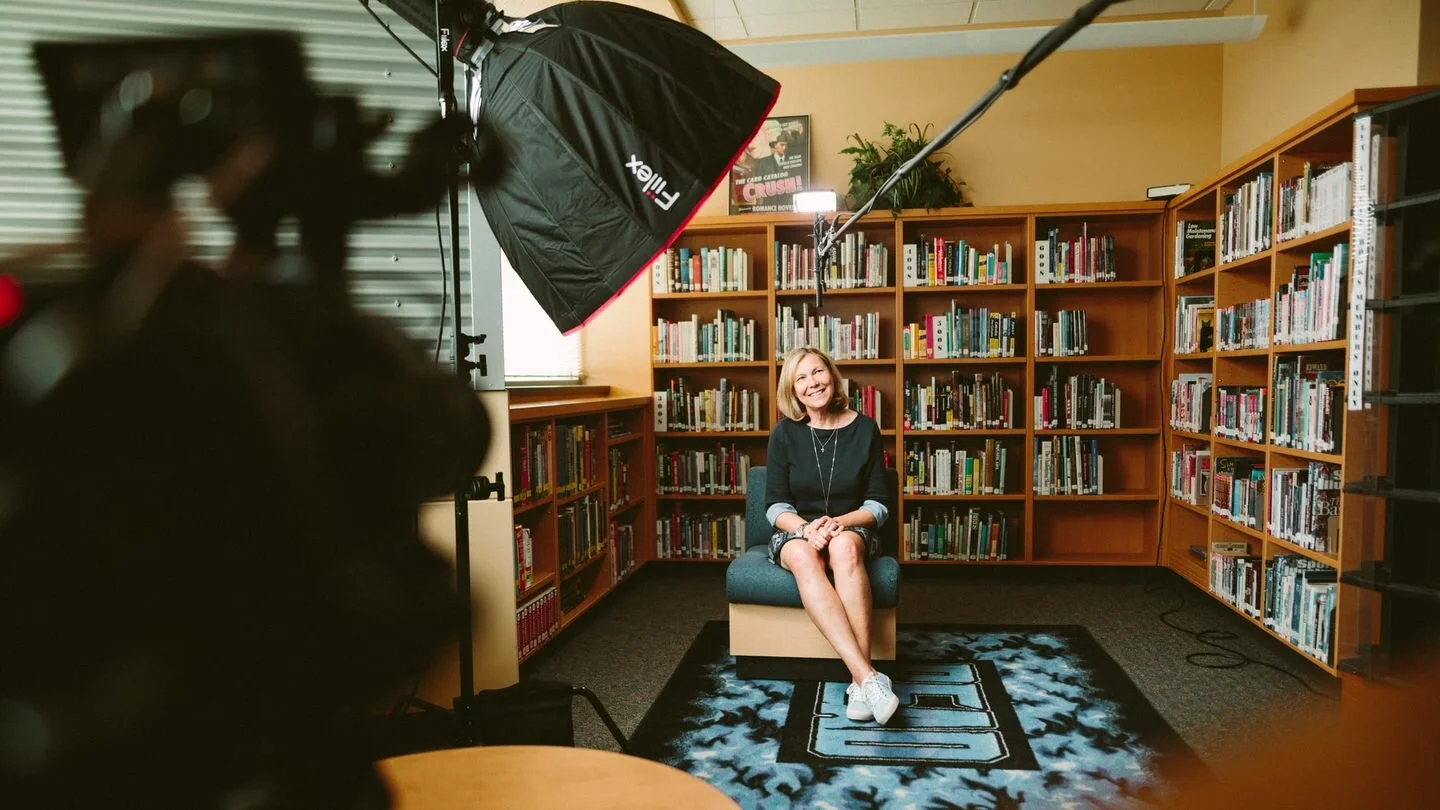
Tips for talking to the media about mental health
Talking to the media can be both exciting and daunting, so we have created a video that gives you some tips for sharing your story safely and confidently.

Zero Seclusion 2020
The Zero Seclusion project is a partnership between the Health Quality & Safety Commission and Te Pou o te Whakaaro Nui, and aims to eliminate seclusion by 2020.